top of page

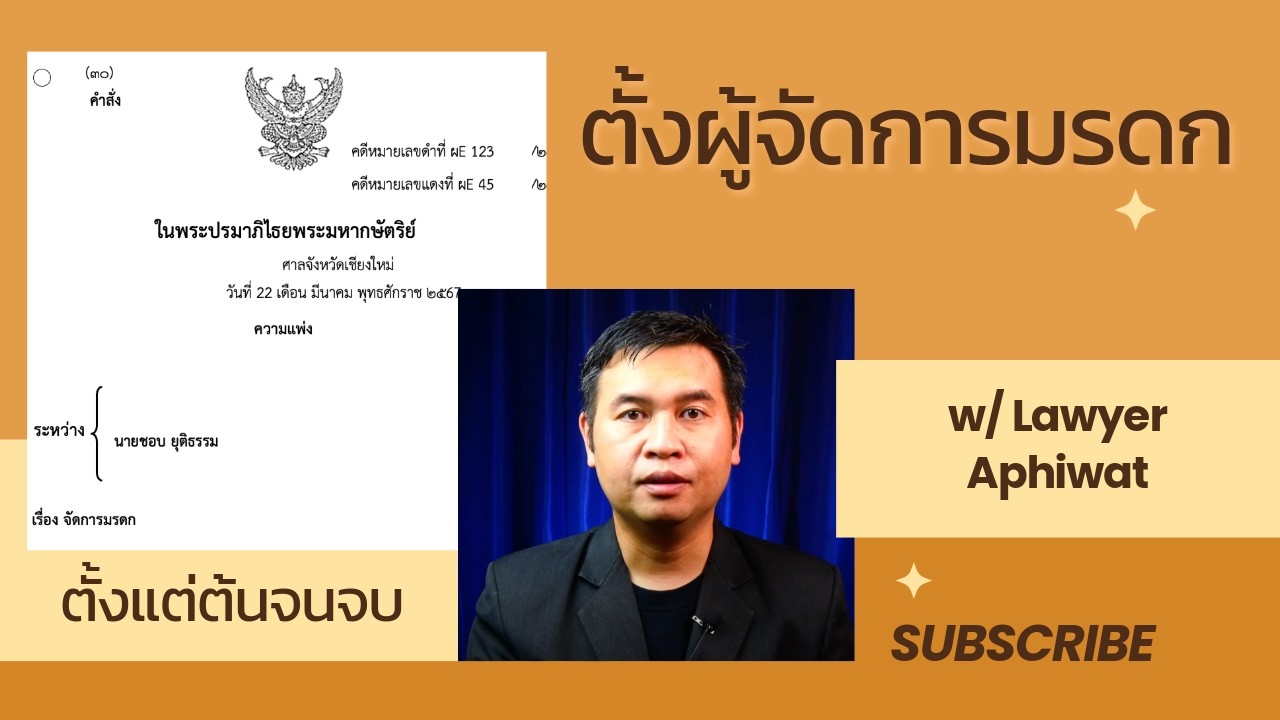
A Guide to Getting Appointed as an Estate Administrator in Thailand
It usually starts the same way. A parent passes away. The family is still grieving, but practical life doesn’t pause. Someone has to access the bank account to pay bills. Someone has to deal with the land title. Someone has to transfer the car. So the heirs gather the death certificate, the house registration, maybe the will—and head to the bank or the government office thinking, “We’ll just handle it.” Then the officer says the sentence that changes everything: “Please bring

Aphiwat Bualoi
Jan 215 min read


Why You Still Need Probate in Thailand Even With a Will
You wrote a will. You signed correctly. You stored the original. Your family still needs probate in Thailand. Many people feel confused at this point. Probate is not a sign your will failed. Probate is the legal process the court uses to confirm who has authority to manage the estate. A will explains your wishes. Probate gives legal power to act on those wishes. Without probate, your executor has no court-recognized status. Banks, land offices, and many institutions will not
Aphiwat Bualoi
Jan 162 min read


Wills in Thailand. Types of Wills and How to Choose the Right One
A will in Thailand succeeds or fails on form. You choose a type of will. You follow the signing rules. You store the original. If you miss the rules, the court treats the will as invalid. Your assets then follow intestate rules. Your heirs face delay and conflict. You lose control over who receives what. Thai law recognizes several types of wills. The best fit for most people is a written will signed with two witnesses. You prepare a written document. You sign in front of two
Aphiwat Bualoi
Jan 163 min read
bottom of page